Miller Roofing Solutions LLC: Jacksonville's Premier Choice for Resilient Roofing
Elevate your home's protection with Miller Roofing Solutions LLC, Jacksonville's trusted authority in superior roofing and meticulous storm damage restoration. As a Platinum TAMKO Contractor, we don't just install roofs; we deliver peace of mind with exclusive warranties and unparalleled craftsmanship. Choose us for transparent processes, expert guidance, and a resilient roofing system engineered to conquer Florida's challenging climate.
Unrivaled Expertise
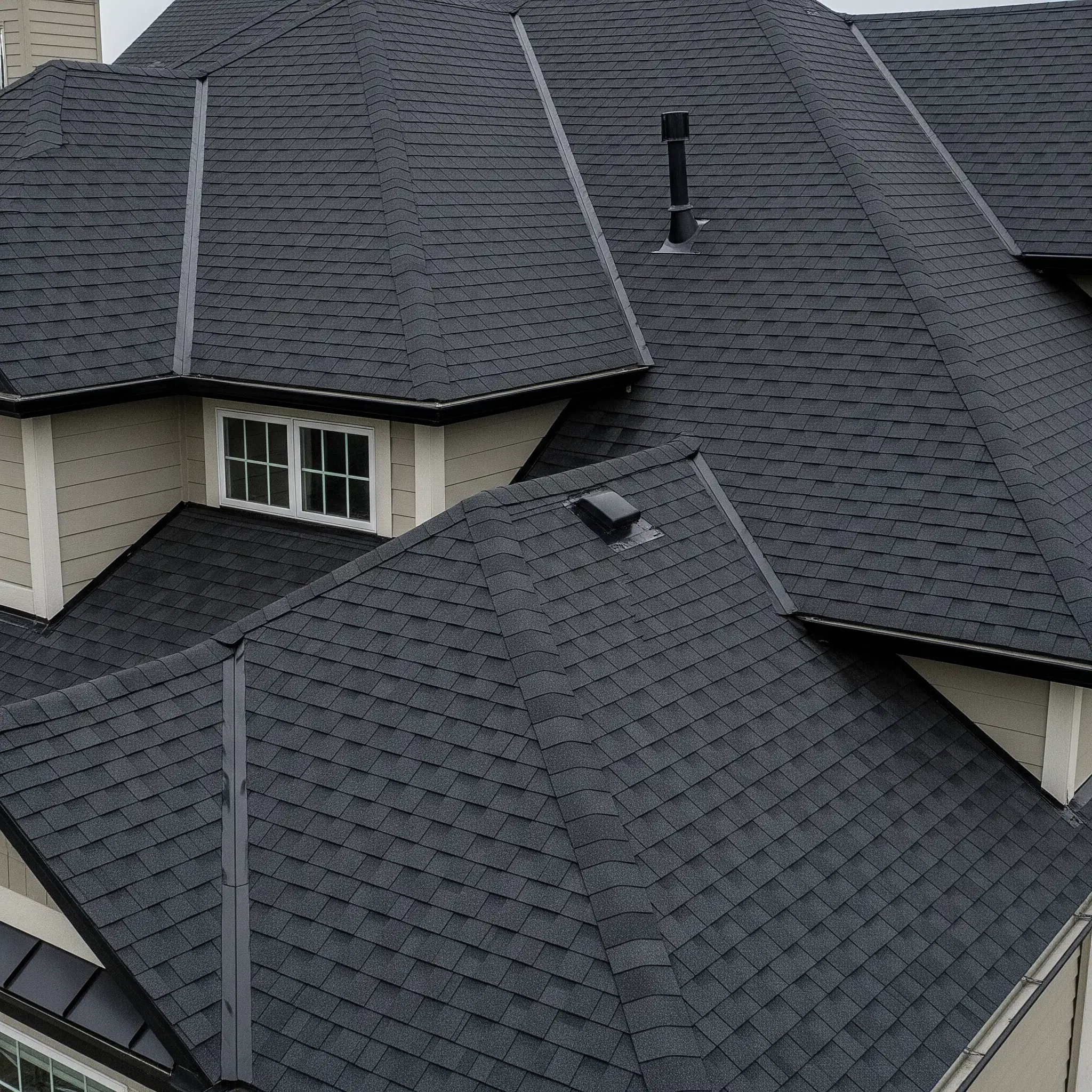
Premium Durability
Guaranteed Protection
The Miller Roofing Solutions Advantage
Miller Roofing Solutions LLC distinguishes itself through a steadfast commitment to advanced technology and unparalleled transparency. We utilize cutting-edge drone inspections for precise assessments and deliver comprehensive, digital proposals, ensuring absolute clarity regarding your investment. Our meticulous process, from initial consultation to our 'White Glove' cleanup, guarantees superior quality and enduring durability, specifically engineered to withstand Florida's demanding climate. Partner with us for professional service, robust warranties, and expert navigation of insurance claims, providing you with complete peace of mind.
Our Foundational Values: Excellence in Every Detail for Your Jacksonville Roof
Integrity & Transparency
We uphold the highest standards of honesty and clarity in all interactions, providing detailed estimates for your roof replacement or repair and open communication to foster trust and ensure complete client confidence in our Jacksonville roofing services.
Uncompromising Quality & Durability
Utilizing premium, hurricane-resistant materials and advanced installation techniques, our certified professionals deliver durable, high-performance roofing systems designed for longevity and optimal protection against Florida's weather.
Client-Centric Service & Support
Our dedication to client satisfaction drives us to provide personalized solutions, proactive communication, and comprehensive support, including expert assistance with complex insurance claims for storm damage in Jacksonville.
what we offer
Comprehensive & Professional Roofing Services
Miller Roofing Solutions LLC provides a full spectrum of professional roofing services, meticulously designed to meet the diverse needs of homeowners and commercial clients in Jacksonville, FL. Our commitment to quality, transparency, and adherence to the highest industry standards ensures durable and reliable roofing solutions for every project.
Residential Roofing
Our comprehensive residential roofing services encompass new installations, full replacements, and meticulous repairs, utilizing high-quality materials engineered to withstand Florida's challenging climate. We specialize in asphalt shingle and metal roofing, delivering solutions that enhance property value and provide long-term protection for homeowners in Jacksonville and Ponte Vedra.
Specialty Roofing
Elevate your property with our specialty roofing options, including elegant tile, robust metal, and distinctive cedar & synthetic shake roofing. These premium materials offer superior durability, energy efficiency, and aesthetic appeal, providing bespoke, long-lasting solutions tailored to your architectural style and the demands of the First Coast.
Commercial Roofing
Miller Roofing Solutions LLC delivers expert commercial roofing services for businesses and property managers across Duval County. We specialize in TPO and advanced coating applications for flat roofs, offering durable, cost-effective, and energy-efficient solutions designed to minimize operational disruption and extend the lifespan of your commercial assets.
Roof Inspections
Our meticulous roof inspections leverage advanced drone technology and high-resolution imaging to provide a precise assessment of your roof's condition. We accurately identify potential issues, evaluate storm damage, and ensure strict compliance with the Florida Building Code, delivering transparent reports and expert recommendations for optimal roof health.
Roof Maintenance
Safeguard your investment with our proactive roof maintenance programs. Designed to extend the lifespan of your roofing system and prevent costly repairs, our services include routine inspections, minor repairs, and debris removal, ensuring your roof remains in peak condition year-round, particularly vital during Jacksonville's hurricane season.
Roof Asset Management Program
Our Roof Asset Management Program offers property managers and building owners a strategic, long-term approach to maintaining their commercial roofing systems. We provide detailed documentation, scheduled maintenance, and comprehensive planning to optimize roof performance, control expenditures, and ensure the longevity of your commercial roof assets.
Emergency Roof Repairs
When unforeseen damage occurs, our emergency roof repair team provides swift and reliable response to secure your property and mitigate further damage. Whether addressing a sudden leak or significant storm damage, we deliver rapid, effective solutions to protect your home or business in Jacksonville.
Tile Roofing
Experience the enduring beauty and exceptional durability of tile roofing. Our expert installation ensures a long-lasting, low-maintenance roof that significantly enhances your property's aesthetic while providing superior protection against the elements, making it an ideal choice for the Florida climate.
Metal Roofing
Invest in the superior strength and longevity of metal roofing. Renowned for its exceptional durability, energy efficiency, and resistance to high winds and severe weather, a metal roof from Miller Roofing Solutions LLC represents a smart, long-term investment for any Jacksonville property, offering robust protection and a contemporary aesthetic.
Cedar & Synthetic Shake Roofing
Discover the distinguished aesthetic of cedar and synthetic shake roofing. These materials offer a unique blend of natural beauty and robust performance, providing a distinctive look and excellent protection. Our expert installation ensures your shake roof is both visually striking and resilient, perfectly suited for the First Coast.
Architectural & Designer Shingles
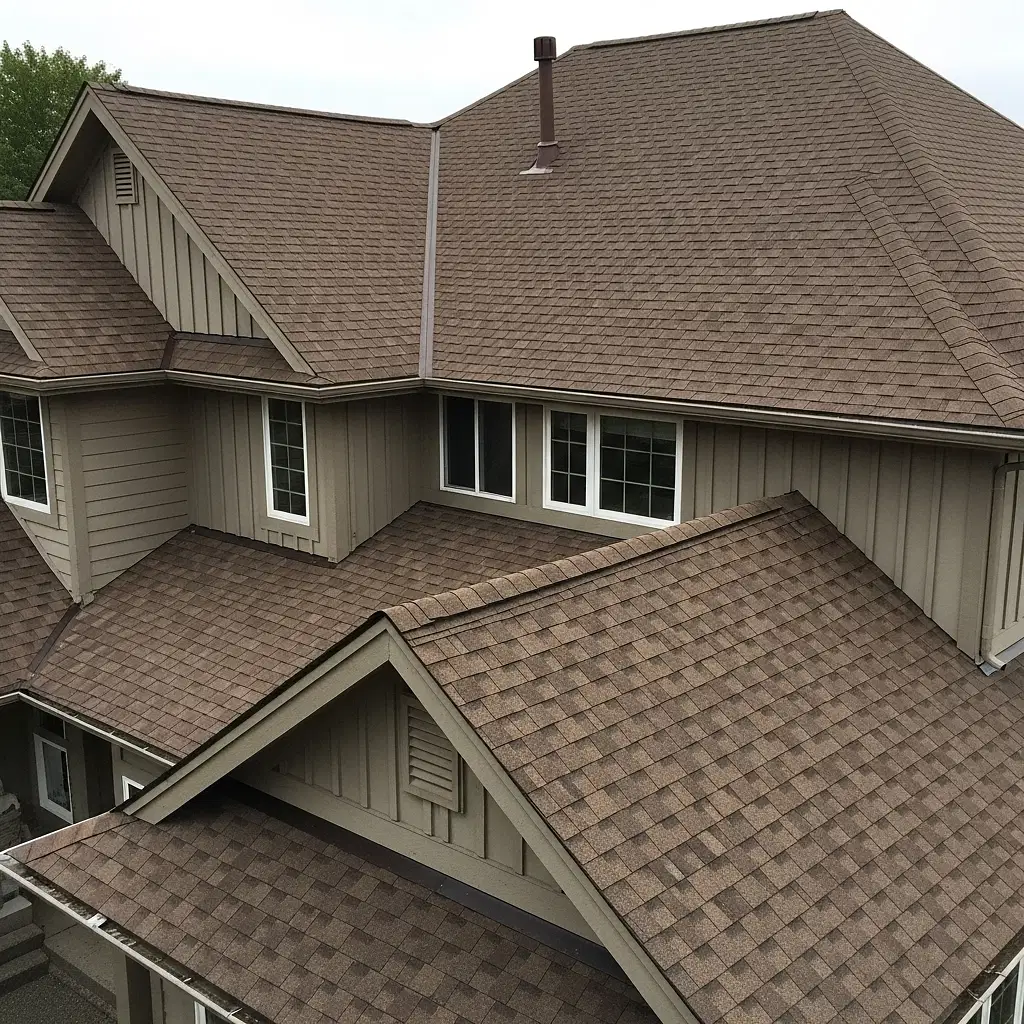
Our architectural and designer shingles provide a sophisticated and highly durable roofing solution, significantly enhancing curb appeal and offering superior protection. With a diverse range of styles and colors, these high-performance shingles are engineered to withstand Florida's demanding weather, ensuring your property remains secure and aesthetically pleasing for decades.
What to expect
Our Professional Roofing Process
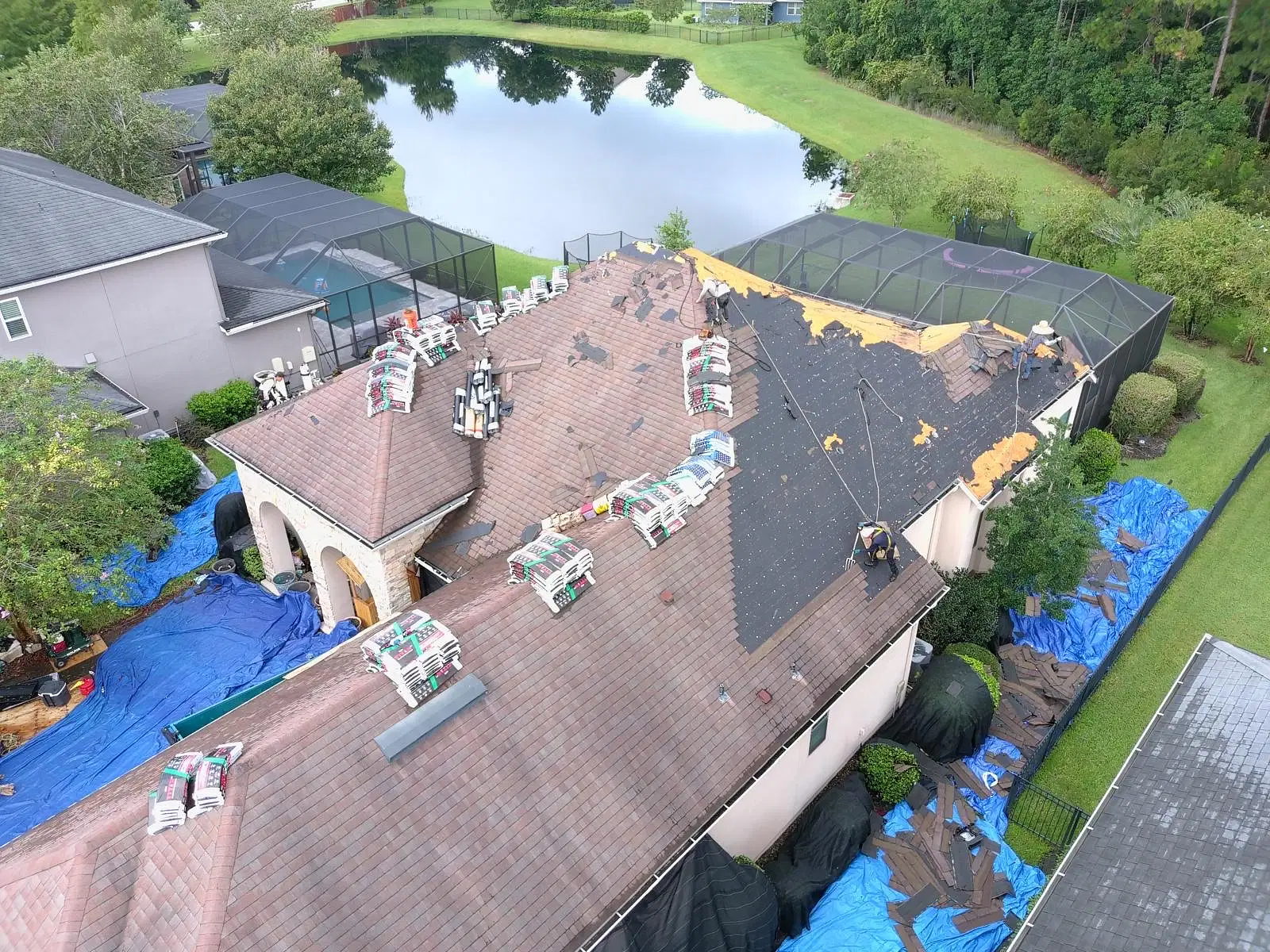
At Miller Roofing Solutions LLC, we are committed to a meticulously structured and transparent process, ensuring every roofing project is executed with unparalleled professionalism and efficiency. Our systematic approach guarantees clarity and confidence from initial contact through to project completion.
Review our detailed steps below, and please do not hesitate to contact us for any inquiries regarding our service delivery.
01
Initial Consultation & Assessment
Engage with us to schedule a comprehensive, no-obligation roof inspection. We will thoroughly discuss your specific requirements and provide expert recommendations tailored to your property.
02
Detailed Proposal & Planning
Following our advanced digital inspection, we will present a transparent, itemized proposal. This includes a comprehensive overview of material options, project timelines, and dedicated assistance with insurance claims.
03
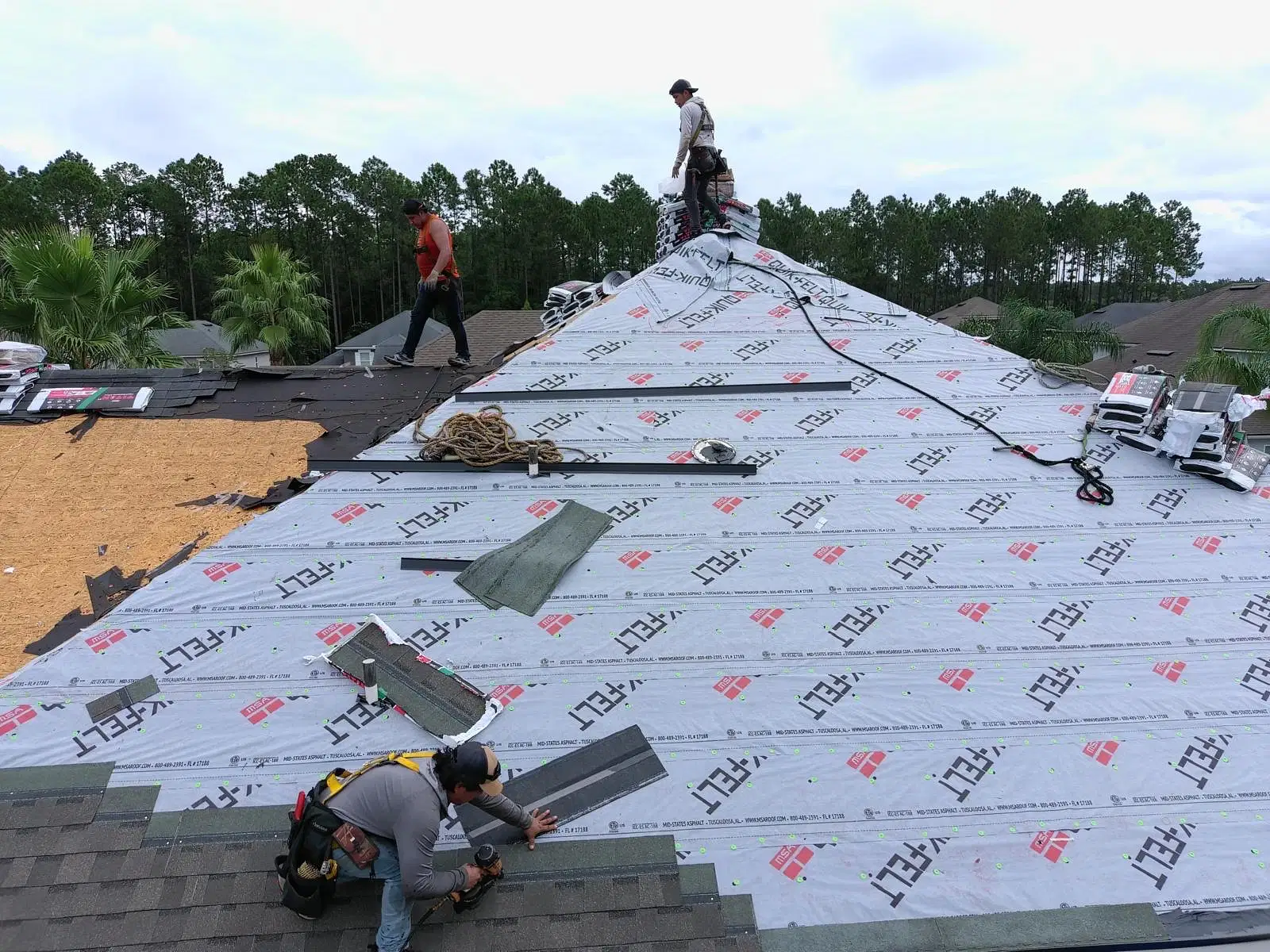
Expert Installation & Oversight
Our certified and highly skilled team will execute your project with precision, utilizing premium, Florida-compliant materials. We maintain rigorous quality control and transparent communication throughout the entire installation process.
04
Final Review & Warranty Provision
Upon project completion, we conduct a meticulous site cleanup and a comprehensive final inspection. We then provide a robust warranty and ensure your absolute satisfaction with your new, durable roofing system.
Reviews
What Our Clients Say
At Miller Roofing Solutions LLC, our reputation is meticulously crafted through a steadfast commitment to excellence and client satisfaction. We proudly present the authentic experiences of our valued customers, whose testimonials consistently highlight our superior workmanship, transparent processes, and dedicated service. These insights affirm the trust and confidence we've cultivated within the Jacksonville community, especially in building roofs designed for Florida's unique weather.
Luis Muñoz
elizabeth dolphin
D Matta
Chelsea Bell
Mike Trumble
Cody Boyd
Zachary Burnett
J Warwin
mcclary15159 mcclary
Lauren C
Patrick Glynn
Vince Paruolo
Rae B.
John Garris
Stephen P
Frequently Asked Questions
Welcome to Miller Roofing Solutions LLC's Frequently Asked Questions. We understand that selecting a roofing contractor in Jacksonville, FL, involves important decisions. This section is designed to provide clear, concise answers to your most pressing questions regarding our services, processes, and commitment to quality, ensuring you feel confident and well-informed.
Book Now
Advanced Roofing for Optimal Property Performance
Optimize your property's resilience and value with Miller Roofing Solutions LLC. We provide meticulously engineered roofing systems, designed for superior performance and aesthetic integration within Jacksonville's challenging climate. Engage with our experts for a comprehensive consultation to secure a lasting, high-quality roofing investment.