How a Stronger Roof Can Lead to Big Insurance Savings in Florida
Living here in the Jacksonville area, we all understand the annual routine. As spring turns to summer, the concern of hurricane season begins to build. It’s not just about stocking up on supplies; it’s about the long-term peace of mind that comes from knowing your home is secure. A major part of that security is your roof, and it’s also one of the biggest factors in what you pay for homeowner's insurance. Many homeowners feel stuck with high premiums, seeing them as just another cost of living on the First Coast. But what if you could significantly lower that cost while making your home safer?
That’s where wind mitigation comes in. It’s a term you may have heard, but many don't realize its full impact. A wind mitigation inspection verifies specific features of your roof that are designed to withstand high winds. The more of these features your home has, the more credits your insurance provider may offer, leading to substantial savings. This guide will walk you through the key roofing elements that matter most and how a professional roof installation can protect both your family and your finances.
What is a Wind Mitigation Inspection?
A wind mitigation inspection is a specialized assessment conducted by a certified inspector. Their job is to document the specific ways your roof is constructed to resist wind damage. Unlike a standard home inspection, this report (the OIR-B1-1802 form) is sent directly to your insurance company. The goal is to prove that your home is less of a risk, which in turn qualifies you for discounts.
For Florida homeowners, this is crucial. The state mandates that insurance companies offer reduced rates for homes with certified wind-resistant features. It’s a direct financial incentive for building stronger, more resilient homes. This process helps you identify your roof's strengths and weaknesses, ensuring it complies with the stringent Florida Building Code. A roof built to these standards not only provides better protection during a storm but also demonstrates a commitment to quality that stands in stark contrast to the unreliable work of transient 'storm chasers.' It’s about investing in long-term safety and durability, which is the cornerstone of a trustworthy roofing project.
Key Roofing Features That Earn You Insurance Credits
So, what exactly does an inspector look for? While the full report is detailed, several key components of your roofing system have the biggest impact on your potential savings. When we perform a roof replacement, we focus on these critical areas to maximize your home's resilience.
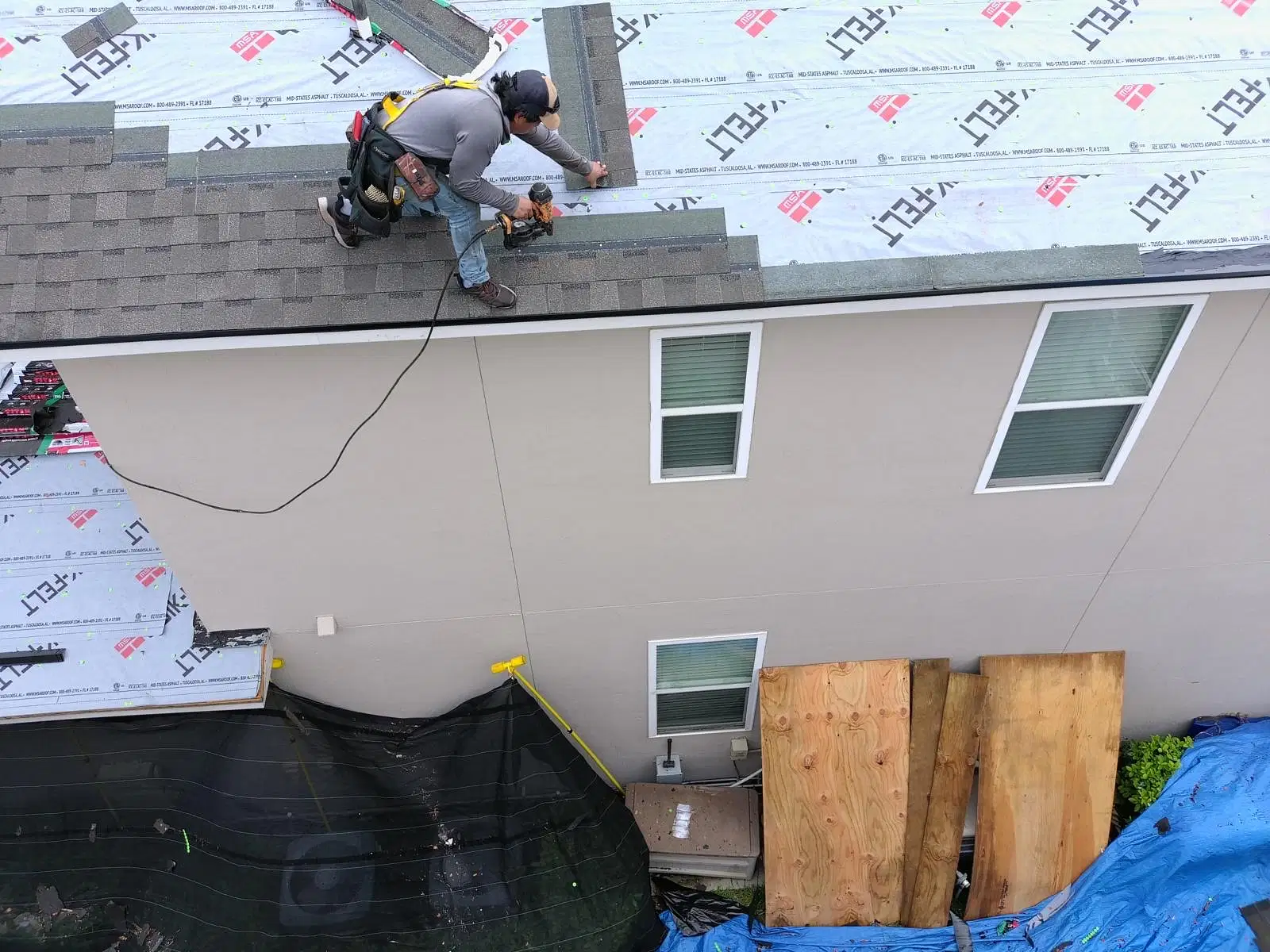
- Roof Deck Attachment: This refers to how the plywood or OSB sheathing (the 'deck') is nailed to your roof trusses. The size of the nails and their spacing are critical. A stronger nailing pattern, such as every 6 inches, holds the deck down during intense wind uplift. During a replacement, we often re-nail the entire deck to meet modern codes, a vital step for wind resistance.
- Roof-to-Wall Connection: This is how your roof trusses are attached to the walls of your home. The strongest connection is a metal hurricane strap that wraps over the truss, which provides significantly more stability than nails alone. This feature is one of the most valuable credits you can receive.
- Secondary Water Resistance (SWR): This is a layer of protection installed under your shingles. Modern building codes often require a self-adhering modified bitumen underlayment, commonly known as a 'peel and stick' membrane. This layer seals the roof deck and prevents water intrusion even if some shingles are blown off, preventing a small problem from becoming a catastrophic leak.
- Roof Geometry: The shape of your roof matters. A hip roof, where all sides slope downward to the walls, is more aerodynamic and generally performs better in hurricane-force winds than a traditional gable roof. While you can't easily change your roof's shape, it's a significant factor in the inspection.
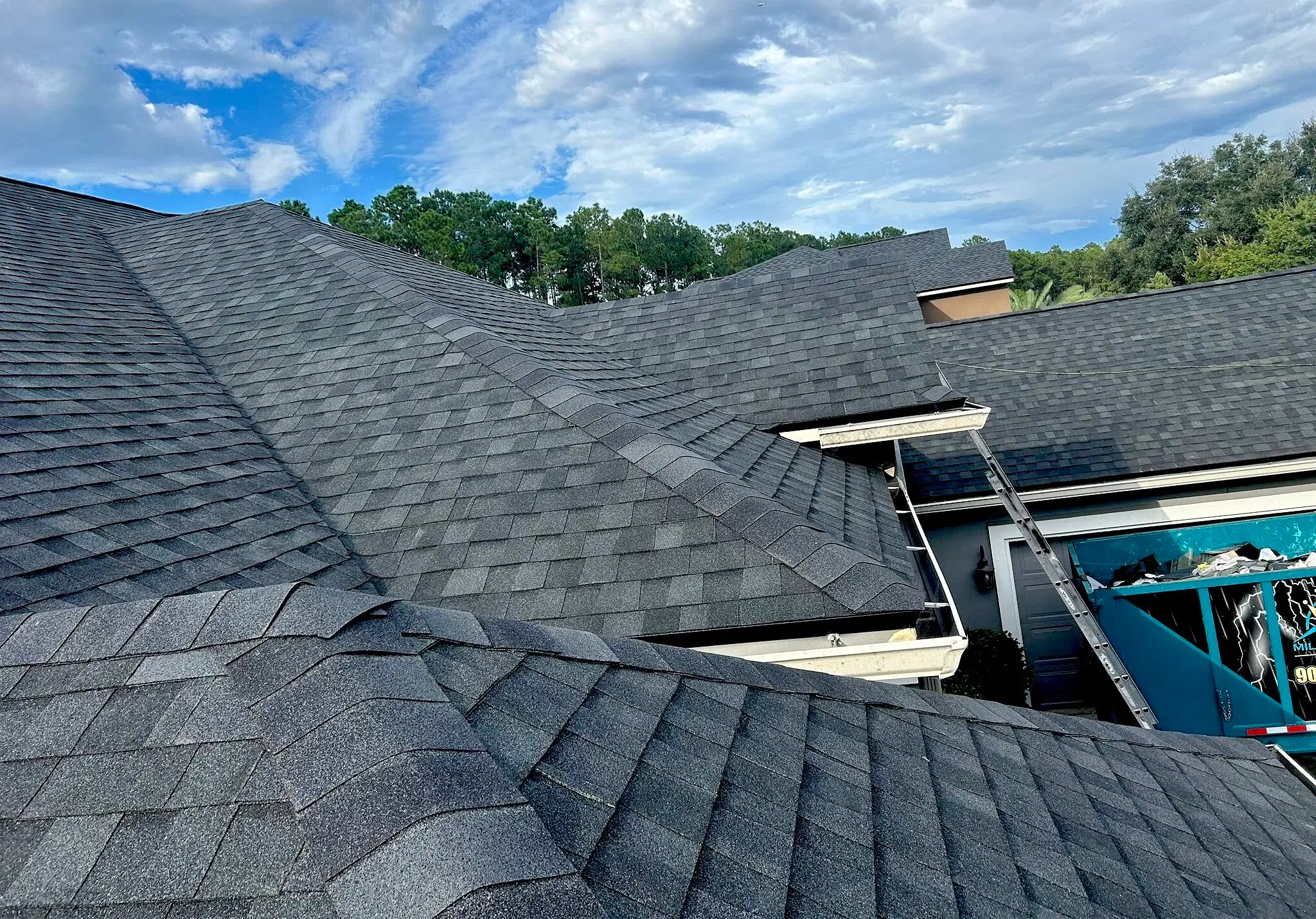
- Quality Materials: The final layer of defense is the roofing material itself. High-quality architectural designer shingles are thicker, heavier, and have superior wind ratings compared to older 3-tab shingles. For ultimate protection, a properly installed metal roofing system offers exceptional durability and wind resistance, often earning homeowners the highest praise for longevity and strength.
Our Process: Building for Resilience and Peace of Mind
Understanding these features is one thing; ensuring they are built correctly is another. At Miller Roofing Solutions, our entire process is built around quality, transparency, and adherence to the highest standards of the Florida Building Code. We don't just install a roof; we install a complete system designed for longevity and protection.
It starts with a thorough digital roof inspection. We use high-resolution photos to document every aspect of your current roof, identifying any potential weak points. From there, our detailed proposal outlines exactly how we will build your new roof to be stronger and more resilient. This includes ensuring the roof deck is properly secured, installing a superior secondary water resistance barrier, and using materials with excellent wind ratings. Our meticulous attention to detail ensures that when your wind mitigation inspection is performed, your roof will qualify for the maximum credits possible. We believe in doing the job right, providing you with a secure roof that delivers lasting value and peace of mind.
Secure Your Home and Your Savings
Your roof is your home's first line of defense against the severe weather we face in Florida. Investing in a high-quality, wind-resistant roofing system is one of the smartest decisions you can make as a homeowner. It not only protects your property and family but can also lead to significant, recurring savings on your homeowner's insurance premiums.
If you're unsure about your roof's current condition or are considering a replacement, don't wait for the next storm to find out if it's up to the task. Contact Miller Roofing Solutions today to schedule a comprehensive roof inspection. We’ll assess your roof's wind mitigation features and provide a clear, professional recommendation to help you protect your home in Jacksonville for years to come.